
While buying a home tends to appreciate in value overtime, buying a vehicle is the opposite. Especially if you are buying a brand new vehicle, the moment you drive off the car dealership’s lot, your vehicle has already depreciated in value. For many vehicles, the more expensive the purchase, the faster the depreciation. New vehicles offer more safety features and conveniences, so we understand why people like them.
If you are financing or leasing a vehicle, you may benefit from Gap Insurance.
Imagine this scenario: While out enjoying your new car, you hydroplane and hit a guardrail damaging your new vehicle beyond repair. The insurance company is telling you that your new car is a total loss. If your car is totaled, that means it will cost more to repair it than the car is actually worth because of depreciation.
Gap insurance acts as additional car insurance coverage that will pay off your loan if your car is totaled or you owe more than your car’s new depreciated value. This coverage is usually limited to 25% of your vehicles actual cash value at the time of loss. Check with an agent about specifics for your company.
What does your car insurance cover if you’re in an accident?
When you lease or finance a car, many lenders require you to have collision and comprehensive insurance coverage on your vehicle until you have paid off your car. If your vehicle was totaled, your insurance company will only pay what it is worth, not what you owe. This is what creates a gap between your current loan balance and what your car is actually valued at today.
Is gap insurance for you?
It depends how much you owe on your vehicle & if you could afford to pay the difference if your car was totaled. Let’s say you bought your car for $20,000. Over the course of your ownership, it’s now valued at $13,000. You currently owe $17,000 on your loan but were recently in an accident where your vehicle was totaled.
Could you pay for the $4,000 difference out of pocket? Keep in mind, if you bought a luxury car, they can lose as much as 60% of its value over the course of five years. You may have an even bigger gap between your loan balance and current value of your vehicle.
Options for gap insurance:
There are two options for purchasing gap insurance.
- It can be purchased from the dealership or through an insurance agent. If you choose to purchase gap insurance through the dealership you purchase your vehicle from, the gap insurance will be built into your loan. The average price for gap insurance from a dealership is around $1,000, but add interest and taxes and it can add up to much more.
- If you choose to purchase gap insurance from an insurance agent, on average it would add less than $10 per month to a policy! There may be certain stipulations associated with a gap insurance policy:
- The loan may need to be through a financial institution rather than an individual.
- Your current auto insurance policy may need to include Collision and Comprehensive coverage.
- Your claim may need to be a covered Collision and Comprehensive coverage event.
- Your vehicle may need to be determined as a total loss.
Before you purchase a new vehicle, make sure to check with your licensed insurance agent in to see how you can add gap insurance to your new vehicle policy.
The local, independent agents at Eastern Utah Insurance, can assist you with adding or amending an existing policy or setting you up with a new policy. Our years of insurance experience can save you a bundle. You can also visit our insurance website 24/7 to learn more about auto insurance or the other insurance products they offer like classic car or home insurance.
 Insurance policies are full of language and terms that may not be clear right off the bat. Many terms are specific to the industry and to the specific type of insurance that is being purchased. Having a local insurance agent for all of your insurance coverage allows you to chat about all the details with your agent so you completely understand your policy.
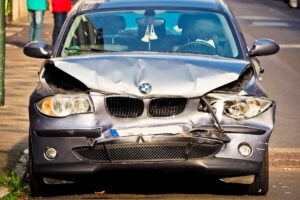 Being in an accident can be a very frightening event. Being prepared to know how to handle the situation when it occurs will help you deal with the shock of it, and obtaining proper documentation helps support a claim. While accidents will happen to almost every driver, whether their car is parked and unattended, or while they’re driving, knowing these important steps will help you deal with the unfortunate situation.